You might already have some environmentally friendly habits without even realizing it! This isn’t a checklist or another thing to work on. It’s just a fun way to give yourself a little credit for things you already do.
Understanding Sustainability
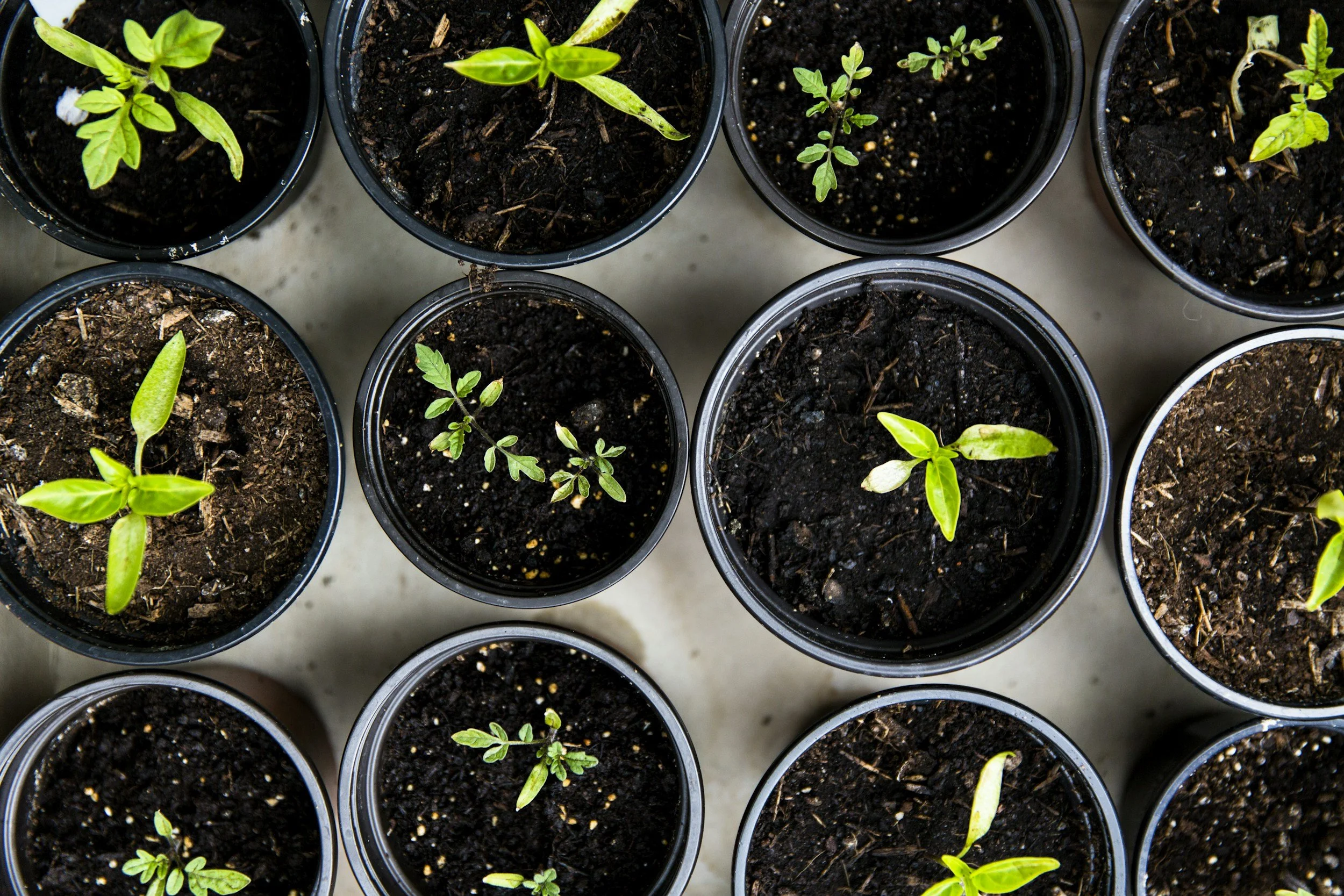
Sustainability can refer to several different things. In general, it describes something that can be maintained over time, such as a habit, resource, or way of living. Sustainable behavior change often develops through slow, steady progress rather than an overnight transformation. Sustainability is a big value here at McArtney Nutrition! We believe behavior change is always most effective when it’s slow and sustainable. Environmental sustainability involves using resources in ways that help them last while minimizing waste.
By now, you’ve probably encountered messages telling you to avoid waste, purchase eco-friendly alternatives, or only buy organic food. Some information even suggests completely changing your lifestyle or giving up products you love, such as your favorite body wash or a comfort drink from a nearby coffee shop. If these suggestions have brought up guilt, shame, or fear of judgment for not doing all the “right” things, you are not alone. These feelings are an understandable response to the pressure to be more environmentally conscious. The truth is that practicing sustainability doesn’t require a huge lifestyle overhaul. Even small, occasional actions can make something last a little longer or be more eco-friendly.
In the spirit of celebrating small, meaningful moments, here are a few habits you may already practice that are accidentally sustainable. These examples won’t be realistic or accessible for everyone, and they aren’t expectations. Sometimes disposable products, convenience foods, and other accommodations make eating and caring for yourself more manageable. Remember, supporting your nourishment and well-being comes first. Once you have a foundation of caring for your basic needs, you can engage in values-aligned sustainability.
At Home and in the Kitchen
Enjoying leftovers or freezing food for later: This can help food go further while making your next meal or snack a little easier.
Using a dishwasher when one is available to you: Running a full dishwasher can use less water than washing the same number of dishes by hand.
Reusing takeout containers or jars for food storage and organizing: This gives something you already have another useful purpose.
Using a kitchen towel to dry clean hands or dishes: When convenient for you, this can reduce the number of disposable paper towels you use.
Using a reusable water bottle or drinking tap or fountain water: Even occasional use can reduce the number of single-use bottles you need.
Enjoying in-season produce: Produce grown in season, such as watermelon in the summer, may require less transportation or energy-intensive storage, depending on where it is grown. It often tastes better, too!
Out, About, and Sharing
Sharing a ride with a friend when you go out together: Carpooling can reduce the number of cars needed while giving you more time together.
Combining errands into one trip: Picking up groceries on your way home or alongside another errand may reduce how much you need to drive.
Borrowing or sharing kitchen equipment you only need occasionally: This can reduce the need to purchase an item that may only be used once or twice.
Using a reusable bag you already have for groceries, lunch, or snacks: Even occasional use can reduce the number of single-use bags you need and may save you money if stores in your area charge a bag fee.
Sharing food with friends or family: Offering someone extra muffins or part of a meal allows that food to be enjoyed by someone else.
How Does This Relate to Recovery and Chronic Illness?
Giving yourself credit for everyday habits can be a way to practice recognizing your strengths, whether you’re navigating eating disorder recovery, living with chronic illness, or both. Celebrating little wins may help build confidence and self-efficacy while supporting a kinder self-regard. And all of these wins make self-care itself feel more sustainable!
Final Thoughts
Eating disorder recovery and chronic illness management are both personal journeys, and what feels worth celebrating will look different for everyone. Your energy is also a valuable resource to protect. Whether it’s recognizing an everyday habit, trying something new, or allowing yourself to rest, small moments of acknowledgment can offer encouragement along the way. You don’t need to add any of these habits to your routine or make your life more environmentally sustainable. This is simply an invitation to notice something you already do and give yourself a little credit.
Are you curious to learn more about sustainable health changes that might be a good fit for you? Reach out to talk! If you are struggling with your relationship with food and body image or navigating chronic conditions, reaching out for support is one of the most empowering things you can do. McArtney Nutrition offers specialized support for those navigating eating disorder recovery or living with chronic illnesses. Reach out for a discovery call to chat about finding food peace and body acceptance!
Disclaimer: the information provided in this blog is for educational and informational purposes only and is not a substitute for professional medical advice, diagnosis, or treatment. Always seek the advice of your physician or other qualified healthcare provider with any questions you may have regarding a medical condition.