How to Choose Safe Supplements: A Dietitian’s Guide
Supplements are more popular than ever, but understanding what they do and whether they’re safe can feel overwhelming. This dietitian guide breaks down how supplements are regulated in the U.S., what third-party testing really means, and how to make informed, body-respecting decisions about supplements. No hype, just accessible information!
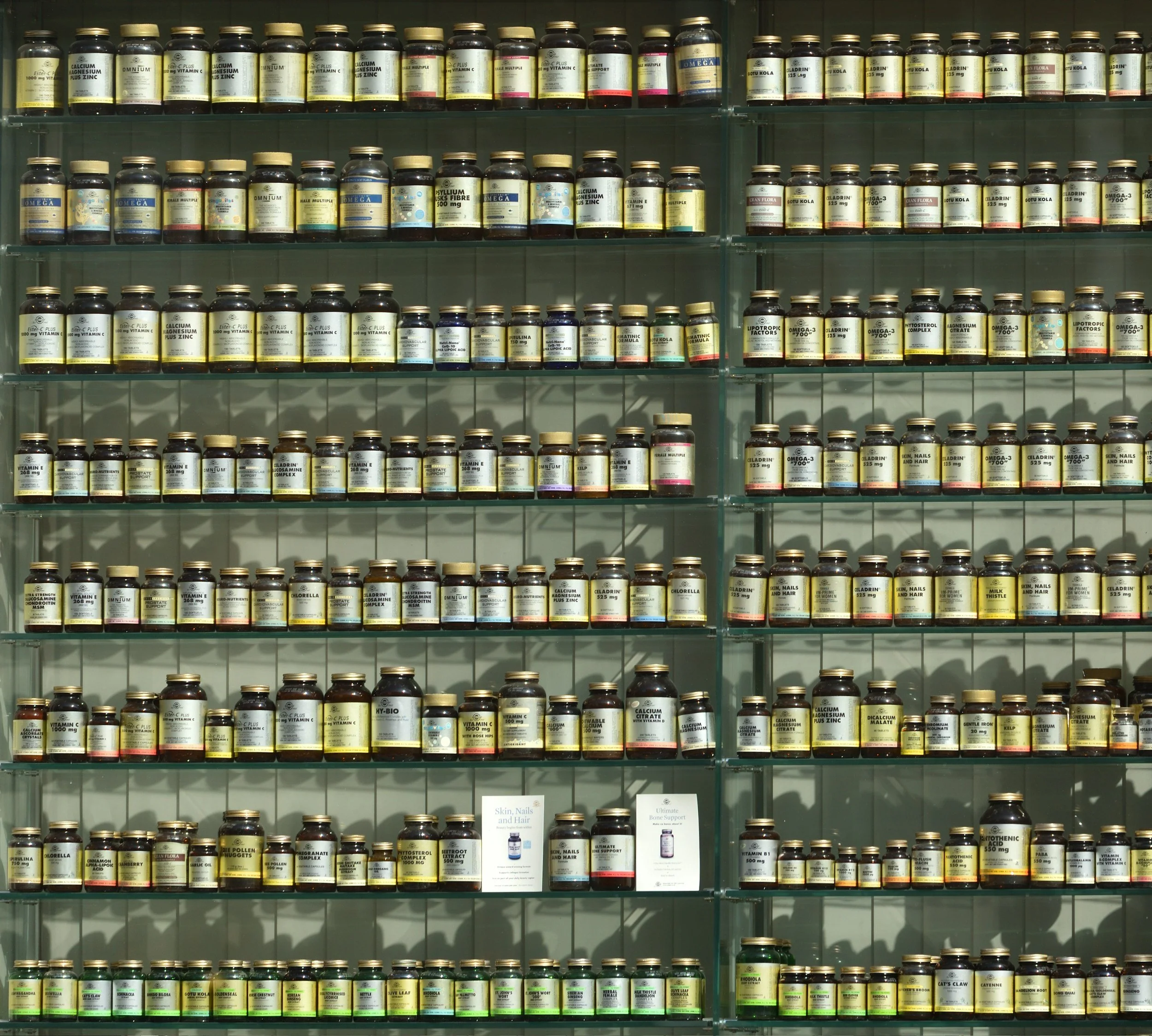
(This image perfectly captures just how overwhelming supplement shopping can be!)
One of the most common questions I’m asked as a dietitian is, “What supplements should I be taking?” Supplements are widely available, frequently discussed on social media, and incredibly confusing to navigate. In this post, I’ll provide some background on supplement safety and offer a simple guide to help boost your confidence in assessing whether a supplement is appropriate for you. As a quick reminder, always consult your healthcare providers. This post is a reference guide, not a recommendation or endorsement of supplements.
So, what’s the deal with supplements?
Supplements are loosely regulated by the Food and Drug Administration (FDA) and are treated as food, not medicine. This means the FDA does not evaluate supplements for safety or effectiveness before they’re sold. Instead, they focus on whether companies make false or misleading claims in their marketing. That’s why you’ll often see this confusing disclaimer on supplement labels:“This statement has not been evaluated by the FDA. This product is not intended to diagnose, treat, cure, or prevent any disease.” In other words, there’s no built-in system checking whether a specific supplement is effective. Right on the bottle they remind us that no regulating body has checked to see if they work!
Are supplements necessary? TLDR: Usually, no. Sometimes, yes.
Supplements can be a helpful tool for meeting micronutrient needs (Reminder: micronutrients are vitamins and minerals we need in small amounts to maintain health). For most people, supplements aren’t essential and are best thought of as optional extras. This is why I generally recommend focusing first on a foundation of consistent eating and a variety of foods.
For some people, however, supplements can be important or even necessary. For example, some folks are prone to low vitamin D or iron and can’t sustainably meet their needs through food alone. Vegetarians or vegans often struggle to get enough B12 from food. During pregnancy, periods of malabsorption, or with certain chronic illnesses, supplements can help meet needs in ways that food can’t always accomplish.
How do you know if a supplement is safe?
If you need or want to use a supplement, third-party testing is a good place to start. Some supplement companies choose to work with independent (third-party) auditors to verify product quality and safety. These organizations evaluate ingredients, manufacturing practices, and distribution, and may even conduct random shelf checks of the product in stores.
It’s important to note that third-party testing confirms accuracy and safety, not effectiveness. These agencies do not evaluate whether a supplement actually works. For guidance on effectiveness and dosing, check with your healthcare providers (doctors and dietitians are your best friends here!). If you want to dig deeper, here is a reliable reference for understanding the purpose of supplements and their safe doses.
Common third-party testing organizations
The three most well-known third-party auditors are USP, NSF, and Informed Choice. These organizations provide a seal of approval that you may see on supplement bottles.
My personal favorites are USP and NSF as they thoroughly verify ingredient accuracy and safety. Informed Choice places a particular emphasis on minimizing contamination. Because these inspections are voluntary and independent, they are considered reliable and impartial. That said (broken record alert!), they do not guarantee clinical effectiveness.
What about GMP certification?
You may also see supplements labeled as GMP (Good Manufacturing Practice) certified. GMP compliance is mandatory for all supplements sold in the U.S. It focuses on proper manufacturing processes, not on whether the final product is safe or effective. GMP is the bare minimum. If a brand highlights GMP certification without any third-party testing, it’s simply meeting required standards, not going above and beyond.
A quick supplement safety checklist
If you’re considering a new supplement, ask yourself:
Is the product safe?
Look for supplements certified by USP, NSF, or Informed Choice.Is it safe for me?
Check in with your PCP, specialist, or dietitian. Ask about medication interactions, diagnoses, doses, and how the supplement works. These fact sheets can also be a helpful resource.How will I monitor it?
Track symptoms and labs with your care team if needed, and revisit whether this is a short-term tool or something you plan to use long-term.
Final thoughts
To recap: third-party testing helps ensure that a supplement contains what it says it contains and is free from harmful contaminants. It does not mean the supplement works, is universally safe, or is right for you.
I firmly believe that informed consent is a cornerstone of effective healthcare. You deserve to understand the risks, benefits, and role of any treatment, including supplements. So reach out to your healthcare provider to discuss supplements, and always check that any supplements you take are safe.
Curious to learn more about your health or have questions about what supplements are safe for you? Reach out to talk! If you are struggling with your relationship with food and body image or navigating chronic conditions, seeking support is one of the most empowering things you can do. McArtney Nutrition offers specialized support for those navigating eating disorder recovery or living with chronic illnesses. Schedule a discovery call to chat about finding food peace and body acceptance!
About the author: Georgia McArtney, MS, RD, CEDS, is a Registered Dietitian and Certified Eating Disorder Specialist through the International Association of Eating Disorder Professionals. Her practice, McArtney Nutrition, specializes in eating disorder recovery and chronic illness nutrition. By blending anti-diet principles, Intuitive Eating, Health at Every Size, and medical nutrition therapy, she helps clients rebuild trust in their bodies.
Disclaimer: The information provided in this blog is for educational and informational purposes only and is not a substitute for professional medical advice, diagnosis, or treatment. Always seek the advice of your physician or other qualified healthcare provider with any questions you may have regarding a medical condition.